Blog

  • Staying Strong When You Don’t Evan Have It In You

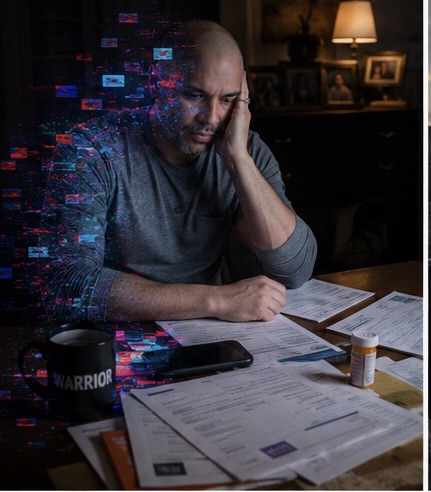
    I’m not well. I am not just talking about today.

    It’s hard being in this body. I move slow. Slower than anyone my age should.

    My knees hurt. Every step sounds like bubble wrap under my feet.

    I fight sleep all day, but if I gave in, I’d be out for the rest of my day.

    I wake up weak. My body needs an hour before it works the way it should.

    Using the bathroom is a race I lose too often.

    Not making it on time crushes me.

    I never expected this at 47.

    My body does what it wants. Farts slip-out. My butt muscles can’t keep it in and together.

    I hope it doesn’t smell. I’m usually in public when it happens. I have to walk away like I didn’t do it.

    My weight got out of hand. I am close to diabetes.

    I’m also one more lazy night away from gaming and probably getting a heart attack.

    The physical stuff hits my mind.

    I lost my drive to work out.

    I don’t feel the point right now.

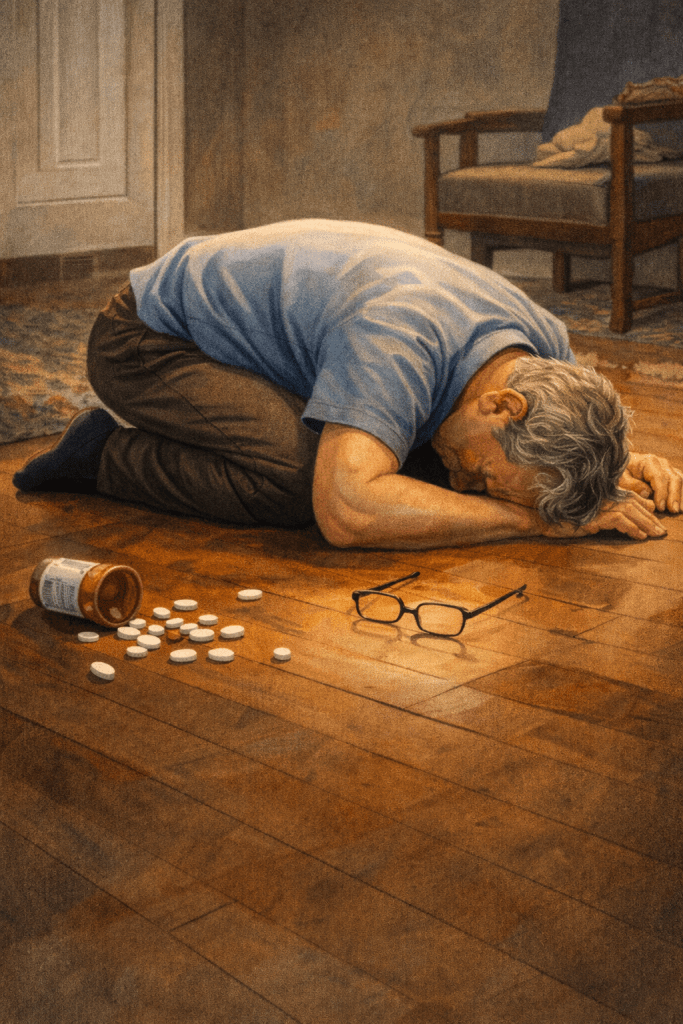
    I forget things.

    I leave the kitchen without what I came for.

    I leave water behind even when I need it.

    I go through this checklist:

    Do you need water

    Do you need medication

    Are you looking for the cat

    Were you hungry

    MS spins me into confusion, doubt, and frustration.

    You might expect an answer about how I rise above all of this.

    I don’t have one. It hurts. It feels unfair.

    I never pictured myself like this.

    I used to be active. I used to chase things.

    Now I sit more than I move.

    I feel my world shrinking.

    If you’re reading this, I’m okay. But not every day is easy.

    I feel everything.

    I deal with everything.

    Some days hit harder than others.

    Giving up sounds simple.

    But I work for my kids.

    I keep going for them.

    Only when they’re set would quitting even cross my mind.

    I don’t know what the future holds.

    I don’t want to live off disability checks.

    I don’t want to add more stress to my family.

    I want better.

    So I tell myself this:

    I will heal.

    I will get better.

    I will see a different day.

    Even when it feels far away, I still say it.

  • Not Today MS. I’m Still Here, And Not Tomorrow Either

    New day for a new attitude.

    This one’s for everyone who’s done being polite to MS.

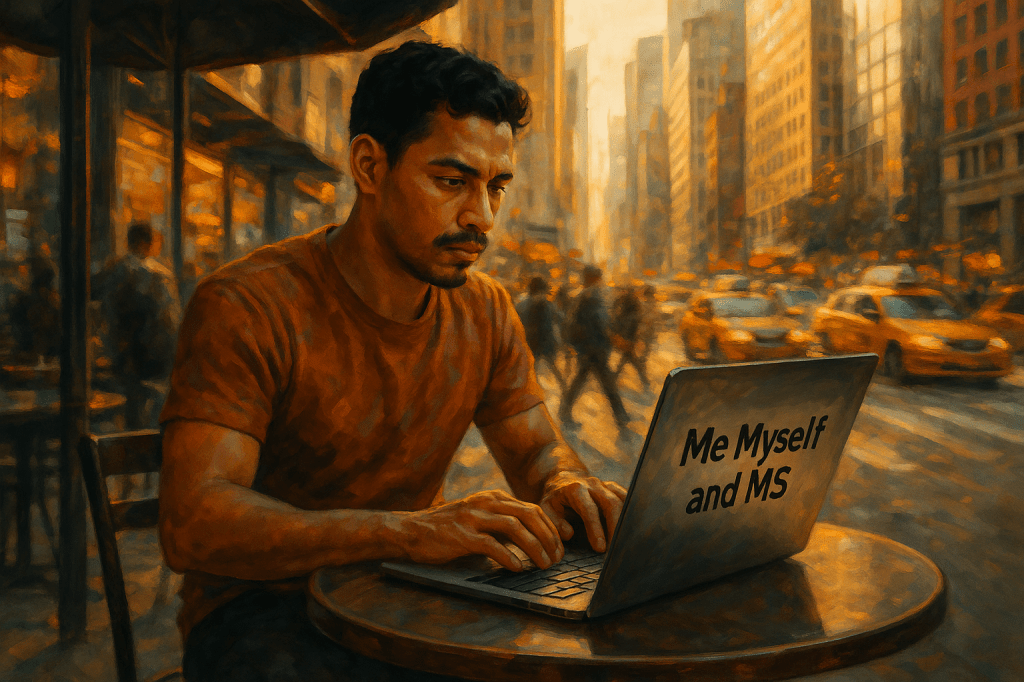
    I write most of my thoughts between commutes and reality checks.

    These aren’t quotes …..they’re survival notes.

    You’re not your thoughts. You’re the one noticing them.

    If you’re tired, angry, or numb, you’re not alone.

    I love you for still showing up, and if you love me back, keep reading.

    October 15th…

    On my way to a job I like… that doesn’t always like me back.

    When you’re dealing with a chronic disease it’s easy to give up.

    My body’s running a comedy show my nerves didn’t approve.

    I’m exhausted before I even move.

    So yeah some days I say “F it.”

    I hide under my cooling blanket and act like time doesn’t exist.

    And that’s okay… until it’s not.

    Because crawling out of that hole feels like trying to escape quicksand while holding bricks with your soul.

    And guess what? You have to do it again tomorrow. Every morning, every day off, it’s just the same shit.

    Yeah right back at you b#%ch!

    Positivity is a workout.

    Smile. Breathe. Be grateful.

    Meanwhile, your bladder’s planning a surprise attack and your legs are ghosting you.

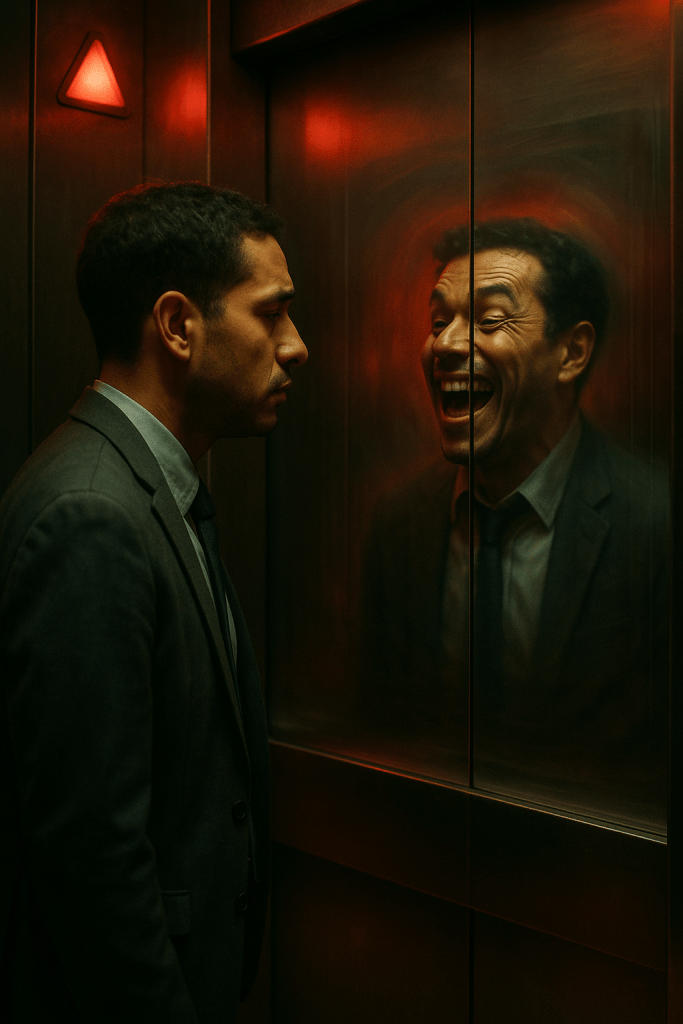
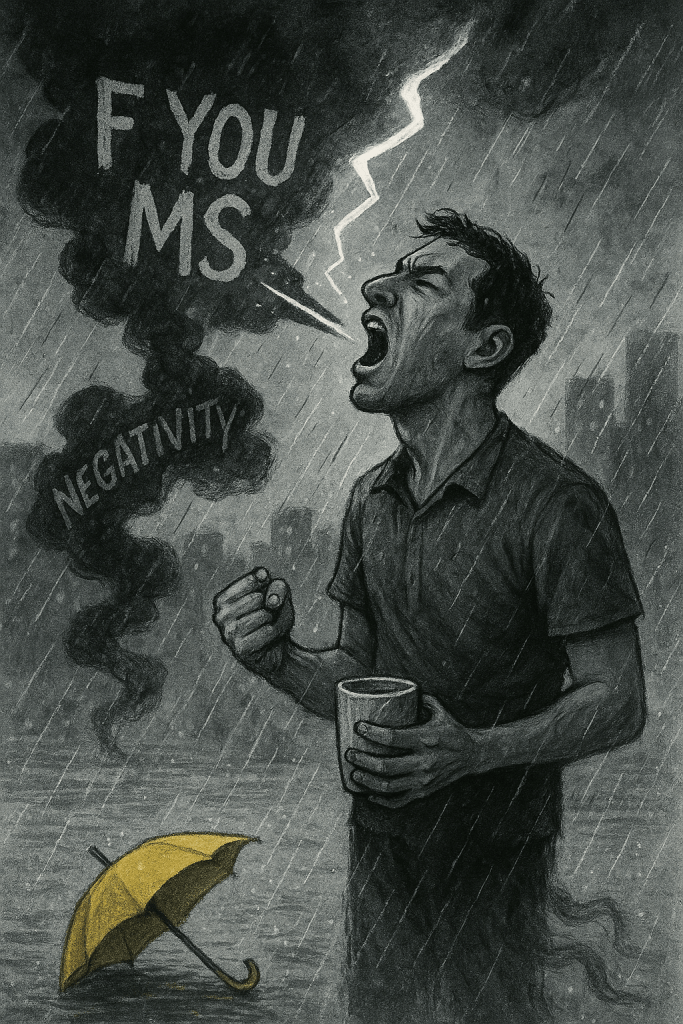
    When’s the right time to scream “F you, MS”?

    Any damn time you want.

    But don’t live there too long  you’ll catch a bad vibe.

    And negativity spreads faster than my spasticity on a humid day.

    Erghh!! I want you away from me.

    I try to manifest healing.  Each and every single day. 

    When I catch my breath, I remind myself:

    “My spirit keeps showing up. And That’s enough.”

    Stillness doesn’t mean stuckness, it means I’m tuning in.

    Maybe it works. Maybe it doesn’t.

    But it’s something to hold onto when faith feels like a rumor.

    I picture a future where I’m better. Not cured. Just better.

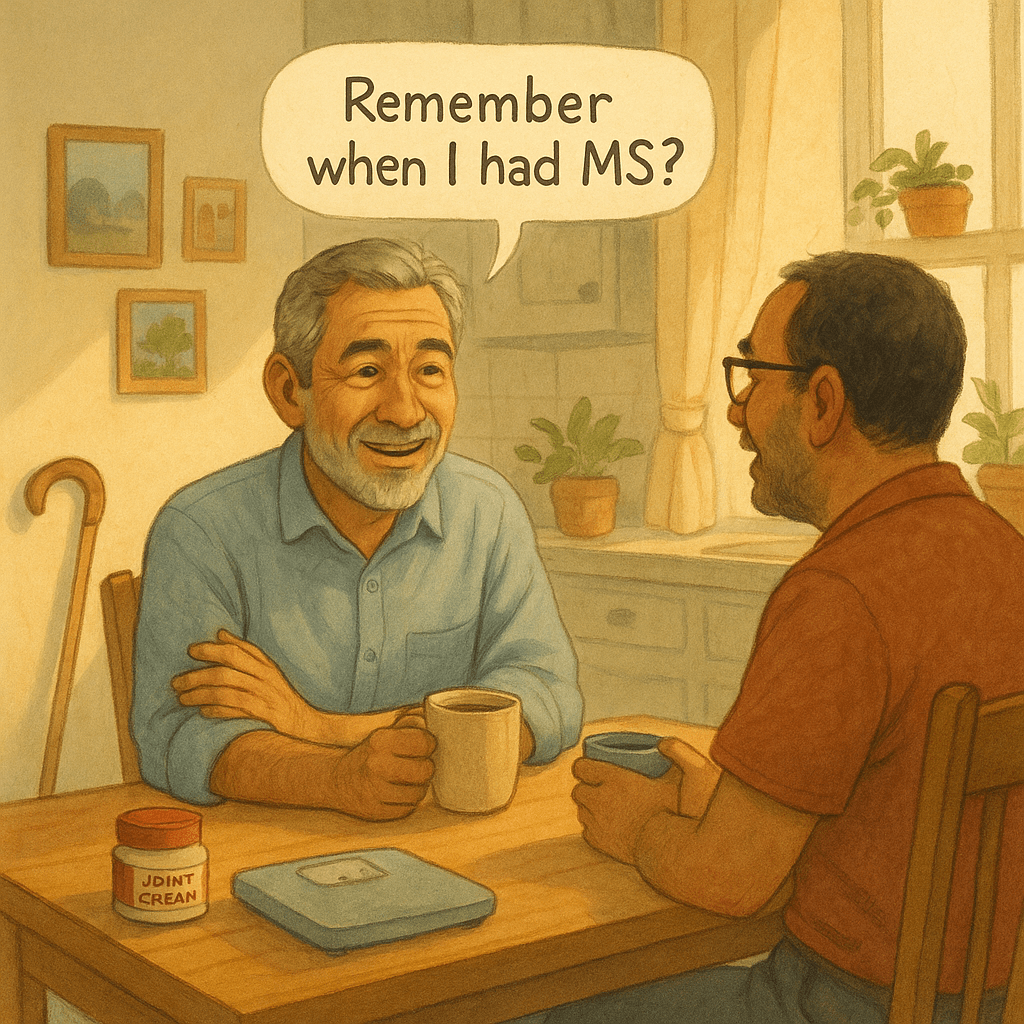
    Where my biggest complaint is arthritis and my weight.

    Where I joke, “Remember when I had MS?”

    Brooo!! I was falling all over the place.

    If you’re living with a chronic illness, I see you.

    You’ll want to give up, and that’s human.

    But MS doesn’t get to write the ending unless you hand it the pen.

    So no, I’m not done.

    Not today.

    Not tomorrow.

    Even on the days hope feels like a scam, I still show up.

    Because at the end of it all…..MS, do you. I’m still doing me.

  • Life’s Not Forever — So Move Like It Matters

    This life isn’t meant forever.

    Once that sinks in, you move different.

    Every step counts. Every choice becomes a pulse.

    The struggle? That’s the lesson.

    The heartbreaks, the burnout, the mornings your body says, “nah, not today.”

    We chase comfort, success, a better version of the dream. And still, it’s never enough.

    Some people find peace….I respect that.

    But most of us are sprinting toward something we can’t even name. Sometimes doesn’t even love us back.

    No matter how strong you are,

    how fast you run,

    how much you lift,

    life will still slow you down.

    But that doesn’t mean stop.

    You take the hit, keep your grip on the wheel,

    eyes forward,

    hold on until it’s safe to breathe again.

    There’s not a week I don’t want to quit.

    Life has punched me in the chest so hard

    I’ve lost the wind,

    the will,

    and the why.

    But then I rise,

    and I whisper gratitude.

    I tell myself two things every morning:

    I am a medical miracle.

    I am leaving this apartment to find the cure for my disease.

    That’s my mission briefing before I go 1-on-1

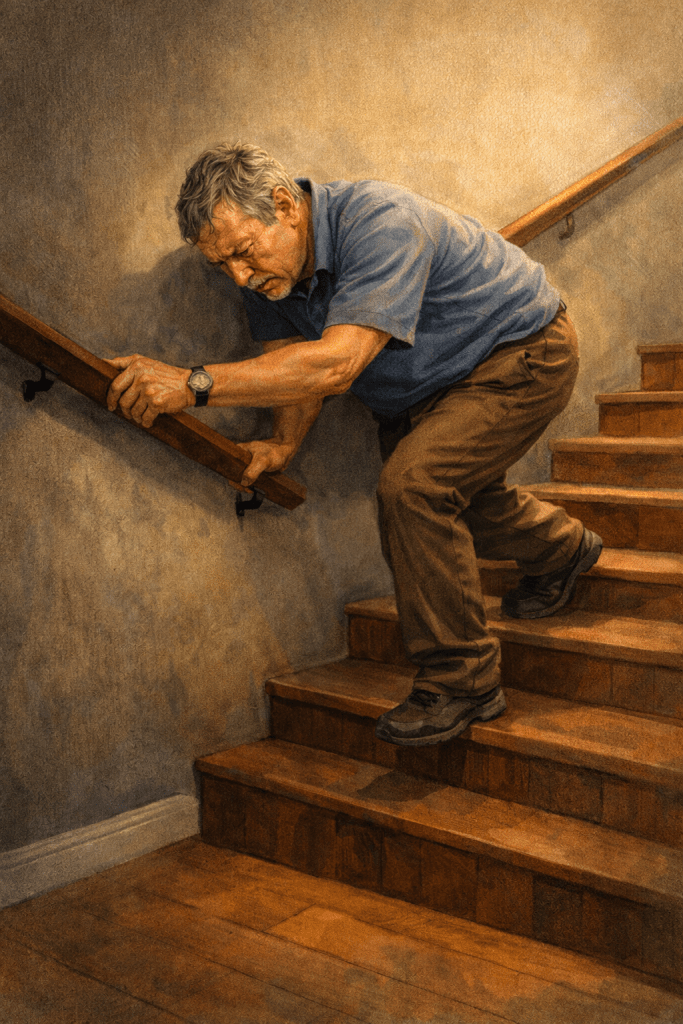
    with the final boss….the staircase.

    And when the sun sets,

    I run the same level again

    on hard mode.

    See, life is a game.

    A serious one.

    You show up every day,

    and it throws its worst at you

    glitches, traps, side quests you never asked for.

    You still play.

    You still choose.

    Your choices light your path,

    or they leave you walking in shadow.

    Either way, the journey’s yours.

    You don’t lose by falling.

    You lose by refusing to get back up.

    My disease might never be cured.

    I’ve made peace with that.

    If I fall one day and don’t rise again,

    so be itI know I played full-hearted,

    no shortcuts, no cheats.

    G.U.S.—God, Universe, Spirit—

    isn’t somewhere out there.

    It’s in here.

    In me.

    I don’t want to lose you.

    But if you’ve got faith,

    you already know—

    God hands us what we can outlast,

    outfight,

    out-endure.

    And that’s what this is.

    Not a tragedy.

    Not a trial.

    A test of endurance.

    And I’m still in the game.

    I love you, and I hope you love me too.

  • Stuck But Still Standing (Mostly)

    Stuck But Still Standing (Mostly)

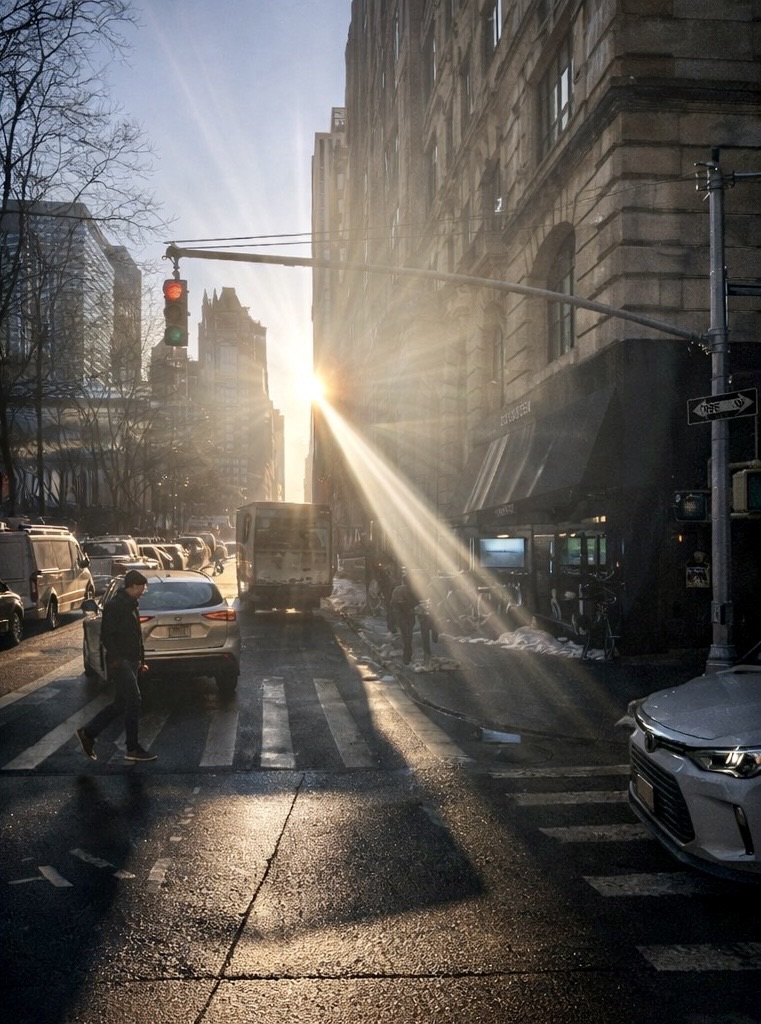
    I love this city

    The climb before the coffee.

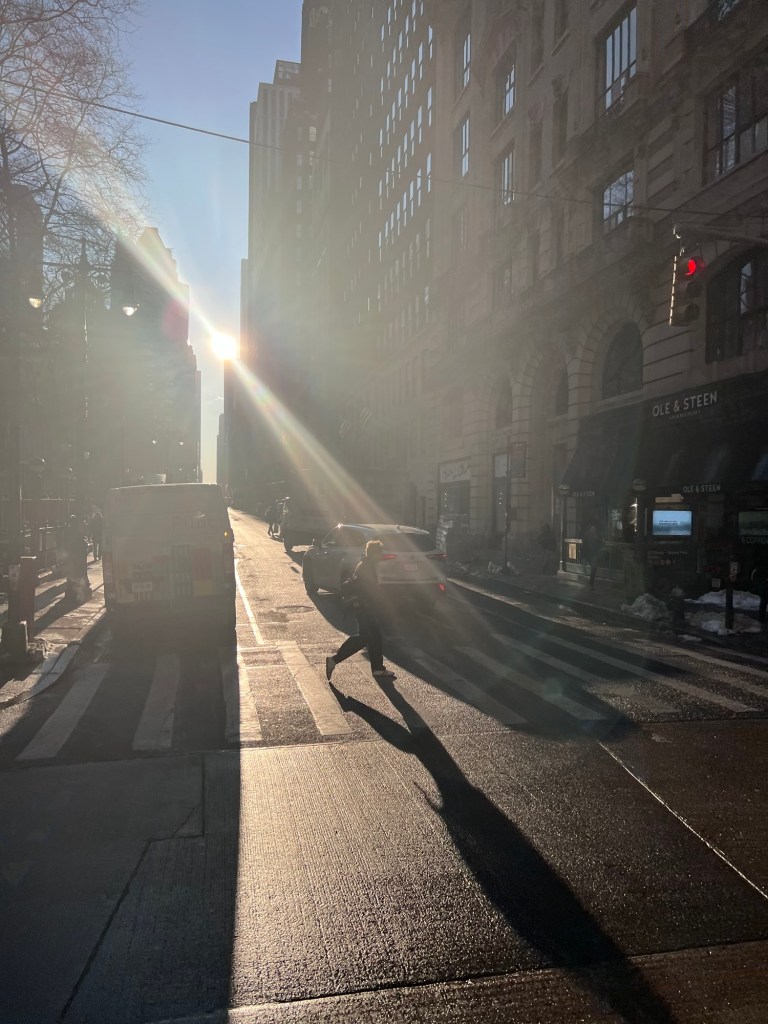
    Feet don’t fail me now

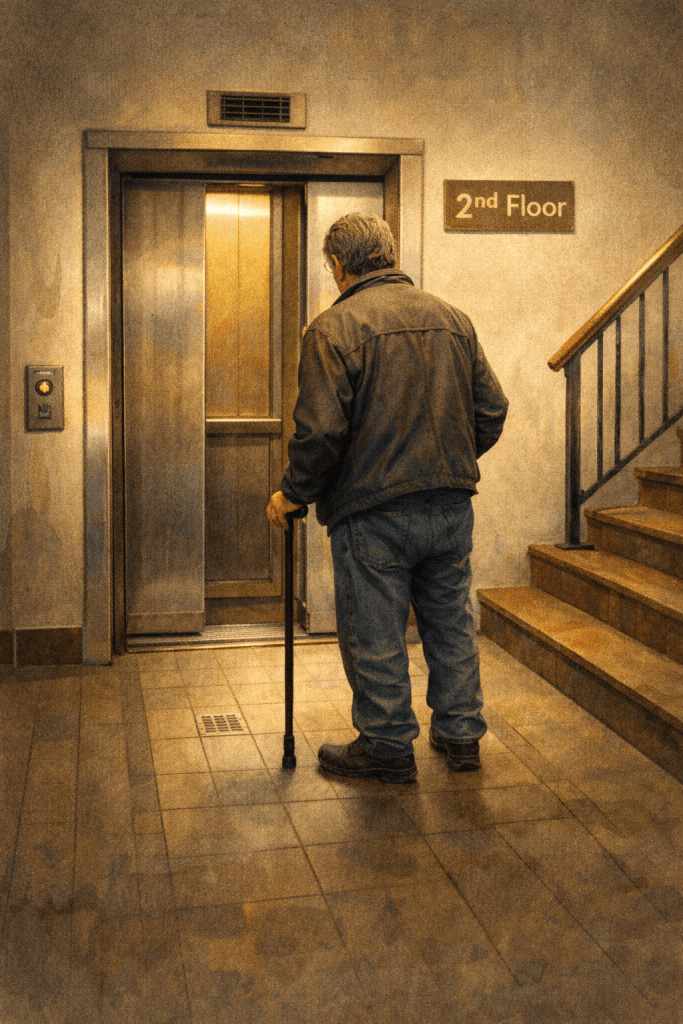
    Every day starts the same. I stare at that flight of stairs like it’s plotting my demise. Going down feels like danger. Going up feels like punishment. My building wasn’t designed for a person with MS it’s an obstacle course with rent.

    I keep telling myself, “You need a new place.” Something accessible. Something safe. But until that happens, I keep showing up for battle, one shaky step at a time.

    ————————————

    Family, Fatigue, and Frustration

    I forgot!!

    My family’s been patient. Mostly. I can’t blame them when that patience wears thin. Living with someone who forgets mid-sentence, mumbles, and moves like an old laptop trying to open too many tabs….. it’s a lot.

    I’m not easy to deal with lately. I’m tired before the day even begins. Every task takes extra time. Every plan depends on whether my body decides to cooperate. It’s hard for them. It’s harder for me.

    Still, I find reasons to laugh. Sometimes at my own expense. Humor doesn’t fix MS, but it keeps the heaviness from swallowing me whole.

    ———————————-

    The Medicine Cabinet of Hope

    Every appointment feels like a new adventure one more magic pill, one more promise.

    So far, the real therapy is a mix of THC and Prozac. And no, I don’t use THC to “escape.” I use it to trick my brain into believing my body’s fine.

    It works. Sometimes too well.

    The other night, I walked to the kitchen, made myself a drink, and froze.

    “Where’s my cane?”

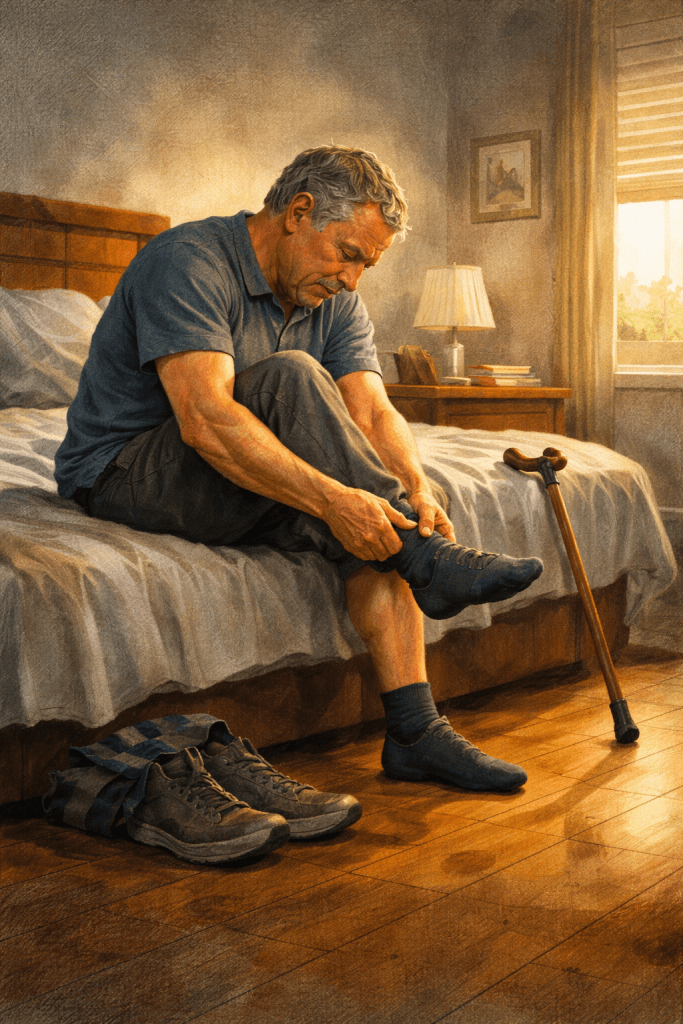
    I left it in the living room. I walked here without it. For a second, I forgot I had MS. That small victory was worth every weird look I’ll get at the next neurologist visit

    How did I get here?

    ——————————————

    The Commute of What-Ifs

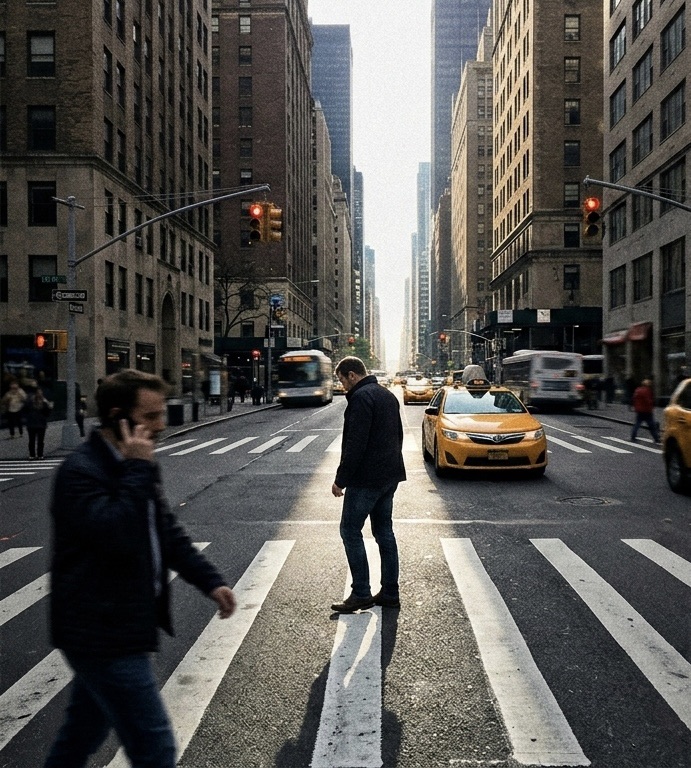
    I do t think I’m gonna make it

    Leaving the house turns every trip into a checklist of fears.

    What if I fall and hit my head?

    What if I lose control of my bladder at work?

    What if my body decides it’s done halfway through the day?

    Every “normal” routine feels like tightrope walking above chaos. But still ….I go. Because staying home forever isn’t living either.

    ————————————-

    The Silent Work of Surviving

    The day is over, how’d I do?

    People who don’t live with chronic illness think “getting through the day” sounds easy.

    It’s not.

    It’s work.

    Every step, every errand, every smile is powered by willpower and meds.

    We don’t wake up brave. We wake up tired and keep going anyway.

    —————————————-

    Still Showing Up!

    I am Absolute.

    I show up limping, laughing, medicated, overthinking, and alive.

    MS can knock me down, but it can’t shut me up.

    Surviving chronic illness isn’t heroic. It’s a daily negotiation with your body, your patience, and your hope.

    But even stuck, I’m still standing.

    Well, most of the time.

    —————————————-

    Eternal Reflection

    I am very HAPPY TO BE HERE!

    Living with MS means learning to laugh in between the cracks. To celebrate the tiny moments—like walking without realizing it, or making it through the day without collapsing. The truth is, you don’t need to “beat” MS to live. You just need to keep showing up with whatever strength you’ve got left.

    Some days that means climbing stairs like a gladiator. Other days it means sitting Instil and calling that progress. Either way, I’m here. Breathing, fighting, and yes I’m still laughing. Because until the cure shows up, humor will do just for fine. I love you and I hope you love me too!

  • Caffeine and MS: My Risky Love Affair with Iced Coffee

    I have to start my mornings like this.

    Coffee and I have a complicated relationship.

    It’s not casual. It’s not polite. It’s emotional. I love it like a fool who knows better. My favorite is iced coffee with oat milk, a little honey, and just a tiny bit of creamer. That’s it. Cold, sweet, and smooth. Every sip makes me happy, even while my body plots against me.

    Living with multiple sclerosis means almost every choice comes with conditions. Coffee is one of them. It helps me focus, gives me energy, and makes mornings less miserable. But the trade-off? It sends my bladder into panic mode. Some days, it feels like I’m going to piss on myself. And sometimes, I do. That’s the truth no one puts on inspirational posters.

    Still, I drink it.

    Every morning. Without fail.

    Oh GOD please NO! I’m almost there.

    It’s part of my routine, my mental ignition switch. Once I take that first sip, the fog that MS brings starts to lift. I put on my headphones, hit play on my endless playlist of over 250 hours of music, and I can finally think. My brain starts connecting again. I feel sharper, more capable, more me.

    That’s the magic part of caffeine. Studies show it can boost alertness, concentration, and short-term memory. It gives your central nervous system a small jolt, helping you stay awake and focused. For many people with MS, that little spark can make a big difference when fatigue feels like a full-time job.

    But there’s the other side. The one nobody romanticizes.

    Caffeine is a diuretic. It makes you pee more. For people with MS, that can be a problem, especially if you already deal with bladder urgency or incontinence. It can also upset your stomach or make anxiety worse if you have a lot of it. And if you drink it too late in the day, it can wreck your sleep.

    It’s a beautiful morning!!

    So why do I still do it? Because it helps me start the day. Because it’s one of the few pleasures that still feels like mine. Because the smell of coffee in the morning makes me feel human before the rest of the world starts demanding things.

    I know what the experts say. Keep it under 400 milligrams a day. Avoid it if it triggers symptoms. Listen to your body. And I do. But my relationship with caffeine isn’t about perfection. It’s about balance. Some days I win. Some days I lose. But most days, I get through the morning feeling awake and present, and that’s worth it.

    Oh look a Dunkin Donuts on the corner!

    Yes, my bladder might betray me. And yes, I can practically hear myself getting fat from the oat milk and honey. But that first sip is peace. It’s clarity. It’s control in a body that doesn’t always cooperate.

    So no, caffeine and MS don’t make the healthiest couple. But like every messy relationship worth having, we make it work.

    Me not being able to sleep at night.

    Author’s Note:

    Living with MS means choosing your battles. Some days, it’s walking. Some days, it’s bladder control. And some days, it’s deciding whether coffee is worth the risk. For me, it usually is. Because life with MS isn’t about perfection. It’s about finding small joys in the middle of the mess. This story is one of mine.

    — Me, Myself and MS

  • The MS Breakthrough That Probably Isn’t For Me

    Living with multiple sclerosis teaches you to recognize certain buzzwords. You start to hear them so often they become background noise: “New treatment option!” “Promising trial results!” “Exciting breakthrough just around the corner!”

    If you’re in the relapse-remitting stage, those words sound like a lifeline. A new infusion, a fresh pill, something to shove the beast back into its cage, at least for a while.

    But the moment that diagnosis shifts to secondary progressive MS, the soundtrack changes. The anthem of resilience fades out, and what’s left feels like elevator music on endless repeat. That’s when the words you never forget come crashing in:

    “There’s less we can do now.”

    Translation? Good luck out there

    Welcome to Treatment Limbo

    With SPMS, the treatment menu shrinks. Some drugs you once relied on get crossed off. Others aren’t even recommended anymore. Clinical trials? Suddenly, you don’t fit the criteria.

    And it makes you wonder: who does fit the criteria? Olympic athletes with a touch of MS that clears up after a nap? Because it sure doesn’t seem like they’re looking for people like me.

    Meanwhile, the news cycle parades shiny headlines: “Scientists discover potential MS breakthrough!” You want to cheer. You want to believe. And then comes the fine print: “Results apply only to early relapse-remitting patients under age 25 who have never sneezed on a Tuesday.”

    So, once again, it’s another party I’m not invited to.

    The Weight of Waiting

    Hope doesn’t die with SPMS, but it turns into a scarce resource. You learn not to get too excited about bold announcements, because nine times out of ten, SPMS patients aren’t even mentioned.

    It’s like standing outside a candy shop, watching everyone else sample treats, while the shopkeeper tells you: “Maybe next decade for you.” Eventually, you stop pressing your face to the glass, not because you’ve stopped craving it, but because the cold feels humiliating.

    But still, you don’t stop hoping. You just fold it up and keep it in your pocket, careful not to let it break.

    Everyday Decisions in Limbo

    Treatment limbo isn’t just about medication. It creeps into everyday choices:

    • Should I spend money and energy on home modifications now, or keep waiting for the miracle cure the headlines keep promising?

    • Do I risk enrolling in a dangerous trial, or protect what little stability I have left? “Possible side effects” sounds scarier when your baseline already feels like a car crash.

    • Is it even worth planning five years into the future, or am I just daring fate to laugh in my face?

    Living in limbo means constant mental gymnastics. And honestly, I couldn’t land a cartwheel even in middle school.

    What Rarely Gets Said

    Yes, science is advancing. But here’s the part you rarely see in print: behind every glossy “breakthrough” headline are people like me, waiting and wondering if this one will finally count, or if we’ll be left out again.

    That’s the silence of SPMS. Not hopelessness. Not despair. Just hope left hanging in the air, suspended and untethered.

    My Closing Thoughts

    The hardest part of SPMS isn’t the absence of a cure. It’s the gap between what gets reported and what we actually live.

    So if you’re here in this waiting room with me, welcome. There are snacks (mostly sarcasm). If you’re not, remember this: every headline about “hope for MS” doesn’t mean hope for everyone with MS.

    Until then, I’ll keep rationing my hope, cracking my bad jokes, and shaking my fist at the medical fine print. Because really, if you can’t laugh at the absurdity of being excluded from the cure for the disease you actually have, then what else is left?

  • The People Who Hold Up Our Mirror

    The path is always lit up for you. You just have to open your eyes.

    Had a conversation with a friend today. Funny thing is, I was in the middle of writing a completely different blog post than the one I have for you today. But once we talked, I couldn’t shake the weight of our exchange. It felt like one of those moments you don’t want to lose to memory alone.

    The truth is, I never really pictured myself writing for others to read. Putting words on paper is one thing, but letting the world peek through the window? That feels like standing exposed, naked in my truths and afraid of what people will think when they see me this way.

    New phone who dis?

    But here’s the part that keeps me writing anyway: I believe God places people in our path for reasons we don’t always understand. Sometimes they’re not here to teach you a lesson in the obvious sense, they’re here to remind you of who you are, and that He’s walking alongside you. I’m not the most traditional believer. Organized religion never fully spoke to me. Still, I can’t deny that certain connections run deeper than surface, brushing up against the soul in ways words barely capture.

    My journey began long before multiple sclerosis came storming into my life and flipped everything upside down. Struggle, trauma, loss, self-destruction, I’ve sat with all of it. But when I sit with my friend, we don’t dwell on pain. We end up talking about gratitude, about how God moves through us and blesses us even when life feels heavy.

    We are all one.

    And maybe that’s the point. Maybe these people who enter our lives aren’t random at all. They’re living reminders that we’re never really walking alone.

    What stayed with me after that conversation wasn’t just the words, it was the reminder that people themselves can be messages from God. We look for signs in the sky, answers in books, or some booming voice to show us the way. But more often than not, it’s the person sitting across from you, laughing with you, or even challenging you, who carries the reminder that He hasn’t gone anywhere.

    My friend didn’t try to fix me or give me some profound sermon. Instead, the simplicity of their gratitude, the way they saw God moving in the everyday, reminded me that blessings don’t always wear grand clothes. Sometimes they show up in the form of a listening ear, a shared story, or a quiet moment that re-centers you.

    I am Absolute.

    When I think about the hardships I’ve carried struggle, illness, loss, it would be easy to let them define me. But gratitude changes the lens. It doesn’t erase the pain, but it shifts the focus. It says: yes, this happened, but look at what else happened too. Look at who walked in when you thought you were alone. Look at the way love still found you.

    That’s what these connections do. They peel back the noise of life and point you straight to the truth: God is present, not just in church or holy texts, but in the people who remind you of your worth, who hold up a mirror so you can see yourself more clearly. And every time I encounter that, I feel less afraid to share my story because my story isn’t just mine. It’s a collection of all the people God has placed along the way.  

    A special sincere thank you to those who read my blogs, and are moved by my words. I do this not only for you but for me to leave something behind to remember me by. I love you and I hope you love me too. 

  • My Nervous System Has Trust Issues . And So Does My Spirit.

    Sometimes you just gotta let go.

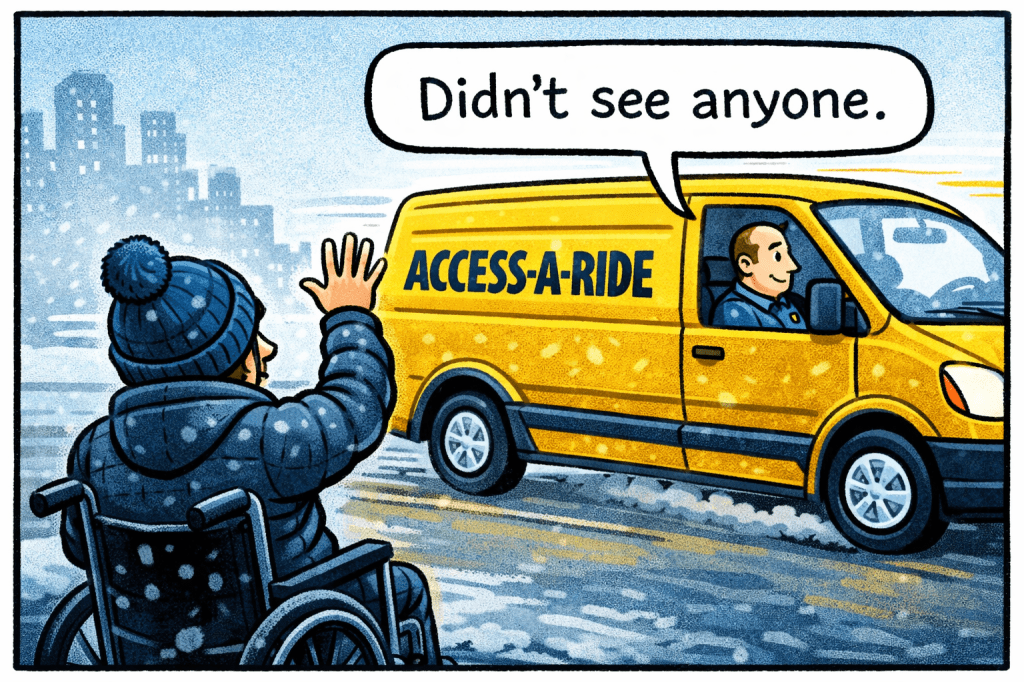
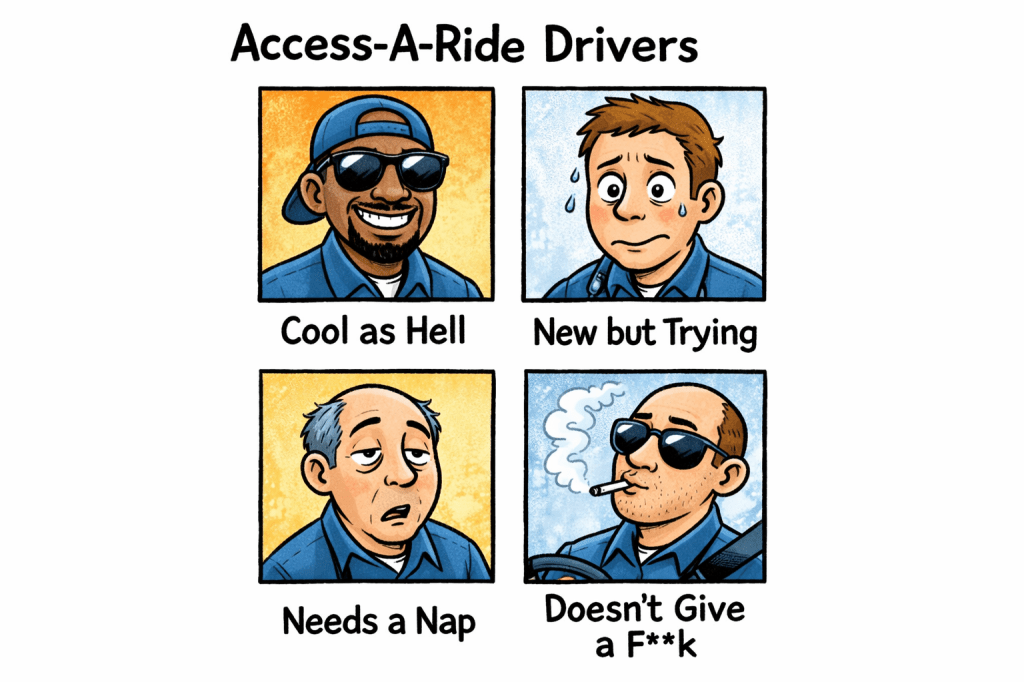
    This post is messy. It’s scattered. I wrote most of it in the back of an Access-A-Ride van , and then sometimes late on a Friday night. These notes are just random thoughts I sit down with when I am alone. These are raw notes from my “F-U Personal Journal.” I cry when I write like this. Not once or twice. Every time. Because when I tell the truth to myself, it hits hard.

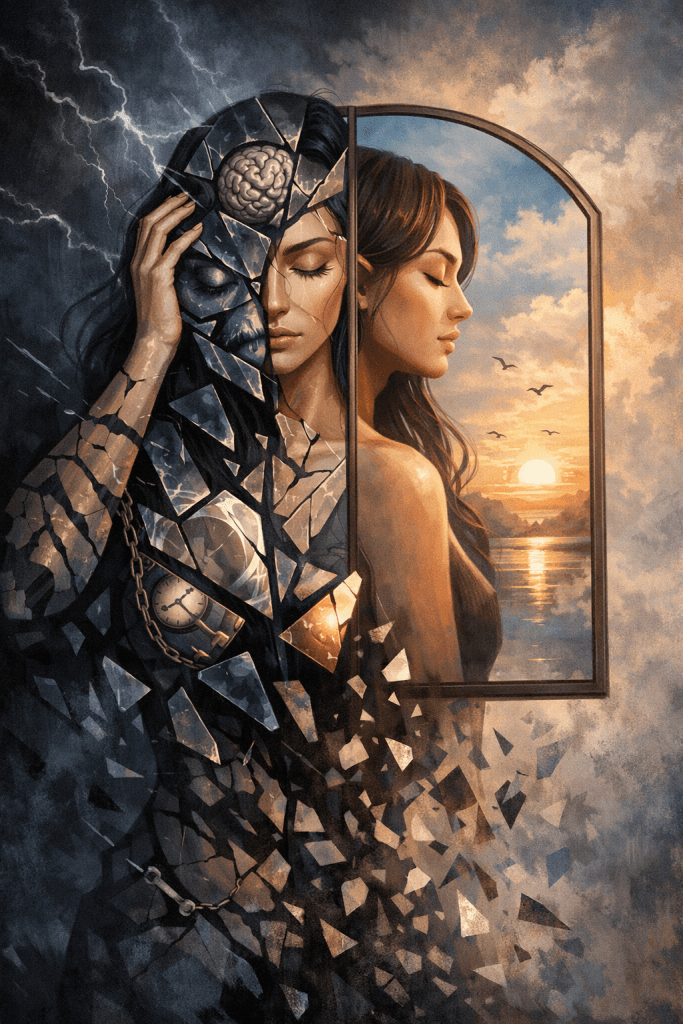
    My body misfires.

    Muscles feel weird, they tingle and twitch without warning.

    Feet drag.

    Hands get stiff and cramped. 

    Sometimes I pee before I’m ready.

    Sometimes I can’t pee at all.

    Sometimes I pee on myself. 

    This is MS.

    It attacks the protective layer around your nerves.

    Messages get scrambled.

    The connection breaks down.

    When your body starts lying to you, trust becomes a problem.

    You could breathe through anything except for death.

    You second-guess the recliner.

    You second-guess the walk to the bathroom.

    You second-guess your own timing.

    You second guess walking down the stairs.

    The trust issues aren’t mental.

    They’re neurological.

    They show up in your gait, your joints, your breath.

    They change how you move.

    They change how you plan.

    You stop trusting mornings.

    You stop trusting heat.

    You stop trusting your body to act right in public.

    You have to try and trust the process

    You start looking for patterns that don’t exist.

    You overthink.

    You brace for the next fall.

    You assume collapse is close.

    Then the spiritual trust starts to fade.

    You question your path.

    You question God.

    You question purpose.

    You stop praying.

    You stop meditating. 

    You stop expecting.

    This happens fast.

    One bad week.

    One small fall.

    One public accident.

    Then your beliefs start slipping too.

    All I could do is be aware of what’s happening

    I show up by writing.

    I show up by resting.

    I show up by talking to my wife without pretending.

    I show up by asking for help when I need it.

    None of this feels natural.

    But it’s necessary.  My up bringing taught me to be self reliant. It is hard for me to ask for help. 

    I don’t trust every step.

    I don’t trust everyone.

    I trust breath.

    I trust timing.

    I trust Spirit, quietly.

    Again sometimes you gotta follow the breathe to come home

    MS broke my nervous system.

    But it didn’t break my will.

    I’m still here.

    Not searching for answers.

    Learning to sit with questions.

    One breath at a time.

  • MS and Masculinity: Redefining Strength

    If you’d asked 16-year-old me what being a man looked like—well, growing up in the Lower East Side during the ‘80s, I probably would’ve tossed out something ridiculous like:

    “Don’t cry. Lift heavy. Protect your people. And hey, maybe throw in a six-pack while you’re at it.”

    That was pretty much the unofficial “man-up” starter pack.

    And for a long time, I stuck to it. I hauled all the groceries upstairs in one go—arms burning, pride intact. Didn’t ask for help. Didn’t admit when something hurt. I just push-through. Or poured a drink and shoved the pain somewhere quiet. Independence was everything. My body was proof I had it all together.

    Then MS barged in, uninvited.

    No warning. No knock. Just kicked the damn door off the hinges and said, “We’re flipping the script” get on the floor!!!! Give me all your energy! 

    Suddenly, my legs had their own agenda. My Energy? Came and went like a moody roommate. I went from being the one who moved the furniture to the one sitting in it, needing help just to get up. And let me tell you—there’s no section in any manhood guidebook that covers asking your wife, grown as you are, to help you out of bed just so you can pee.

    At first, I panicked. Thought maybe I was losing who I was.

    Because we’re taught that strength is about action. Pushing. Lifting. Enduring. Never letting anyone see the cracks. But MS? It forced me to sit with something uncomfortable:

    Real strength sometimes means stopping.

    Not because you gave up—but because you finally decided to stop pretending.

    It’s letting your wife see you “Ugly Cry” without laughing them off.

    It’s telling your kids, “I can’t today,” and trusting they’ll love you anyway.

    It’s asking for help without feeling like you just checked your man card at the door.

    And here’s the crazy thing: I didn’t lose manhood. I just had to redefine it.  Not really by choice, a decision to mentally survive the long game ahead. 

    Turns out, I’m still strong—just in ways that don’t always show up in muscle. I protect my family with more than my back. I protect them with presence. With showing up, even when my legs don’t. With listening when I’ve got nothing else to give. With humor. With stubborn love.

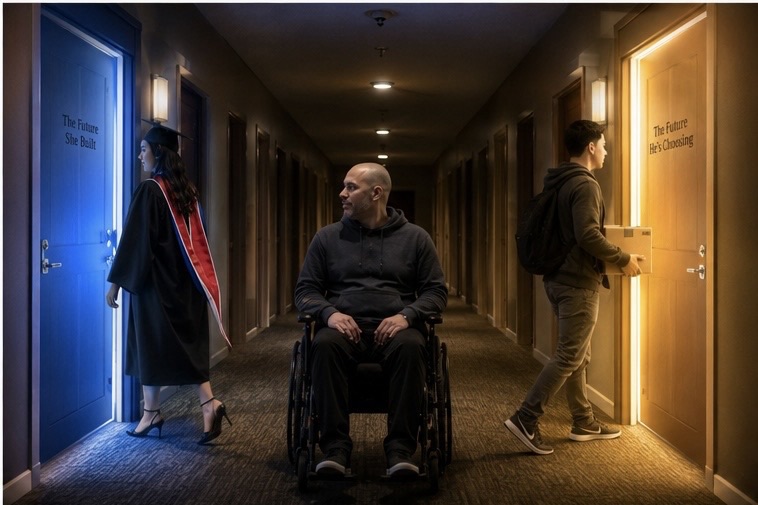
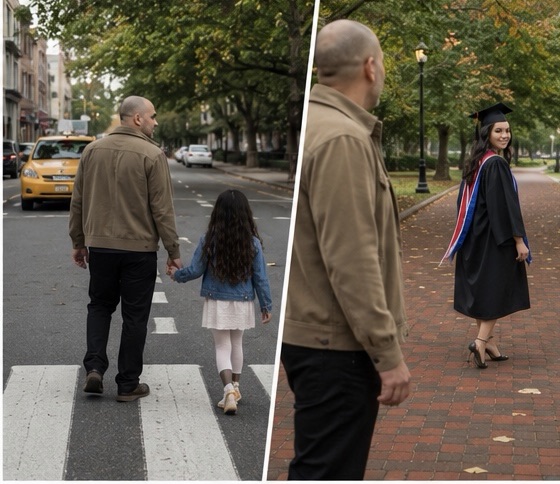
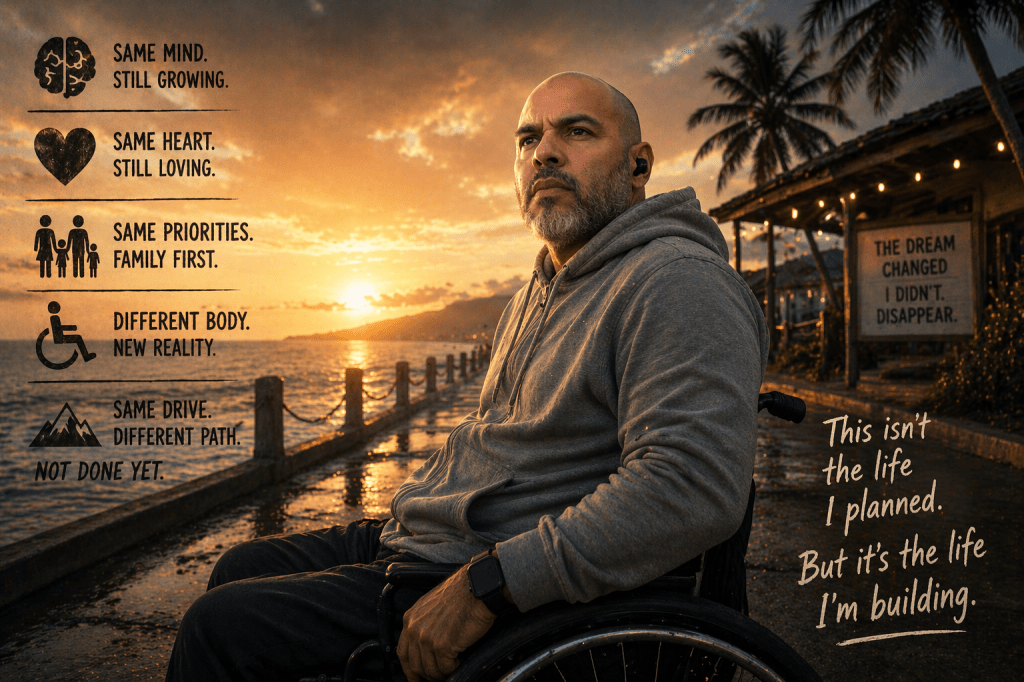
    Fatherhood feels different now. My kids don’t just remember the guy who walked them to school or made sure they had the freshest gear. They see the guy who rolls in a wheelchair and still manages to show up—who laughs, who stays soft, who still loves their mom like it’s day one. They’ve learned that being tough doesn’t mean being hard. It means staying kind when life’s been anything but.

    That last sentence hit me hard as I wrote it, not gonna lie. I got a little misty eye.  

    Partnership, too—it’s on a whole new level. My wife? She didn’t stick around because I can carry heavy things. She’s here because we carry each other. We’ve had the kinds of conversations that peel your ego back like old paint—where you admit you’re scared, worn out, or just need to be held. That’s not weakness. That’s trust. That’s real intimacy. That’s grown-man strength.

    So yeah, I’m off the “man-up” train for good.

    If manhood means bottling it all up, pretending nothing phases you, and dying with your pain locked in your chest—I’m not interested. I’ll take the version where you speak honestly about what hurts. Where you cry if you need to. Where you’re still the rock, just not made of stone.

    MS stripped away parts of my independence, sure. But it gave me something better:

    A masculinity built on honesty. Connection. Grace. And yeah, vulnerability too.

    Funny thing? That kind of strength—the kind rooted deep in who you are—it doesn’t go anywhere. Not even when your legs do.

    Because strength isn’t just what you carry.

    It’s what you’re willing to share.

    I have not said this in a while but, “I love you and I hope you love me too”.

  • 🎈When Balloons Become Coins: A Dream from the Wheelchair🎈

    The other night I had a dream. And like most dreams, it didn’t ask for permission—it just arrived, vivid and weird and strangely sacred…. I think.

    I was walking through a quiet neighborhood. Fall had clearly checked in: the trees were bare, the air felt crisp, and I was with my best friend’s parents and a small child—maybe two or three years old. We found two balloons along the way. Simple white ones. Joyful, floating, light. The kind that make toddlers smile and grown-ups nostalgic.

    The baby cried. I don’t know if it was her balloon or just the idea of something pure drifting off forever. But we comforted her and went to get another one. Because that’s what you do when something good escapes your hands—you try to bring back a version of it.

    We kept walking. Me, the baby, the balloons, and the falling season.

    Somehow, as dreams go, I began collecting more white balloons—walking through a neighborhood that looked both familiar and not. But the trees, tall and bare, made me nervous. I worried the branches might pop what I was holding. So I did what any balloon-carrying, overprotective spirit-warrior would do: I brought them in closer. I held them tightly, protecting these fragile floating things like they were sacred.

    Eventually, I arrived at an apartment—maybe mine, maybe someone else’s—but I knew I was safe there. And here’s where it gets trippy.

    I released the balloons into the room, expecting them to rise. But they didn’t. They deflated mid-air, falling gently to the ground… and when they hit the floor, they transformed into coins.

    Yeah. Coins.

    Not quarters or nickels or anything I could identify. Just strange, sacred coins. I dropped to my knees and stared at them like a man trying to decipher a challenging Sudoku puzzle. I turned to the baby and whispered something that surprised even me:

    “Don’t worry… they’ll turn back into white balloons.”

    I woke up still holding that sentence in my chest.

    I don’t always recognize the coins this illness gives me. They’re not always shiny. Sometimes they look like days I can’t walk. Or mornings I wake up angry that my body forgot how to be my body. But every now and then, in the silence of reflection, I realize they’ve been currency for something deeper: patience, presence, surrender.

    And maybe… just maybe… some of them are waiting to become white balloons again.

    If you’re reading this and holding something fragile—hope, grief, identity, health—I see you. Keep walking. Hold on tight. Let go when it’s time. And trust that even the deflated things still carry magic.

    Because even coins can fly, if you believe hard enough