
Living with multiple sclerosis teaches you to recognize certain buzzwords. You start to hear them so often they become background noise: “New treatment option!” “Promising trial results!” “Exciting breakthrough just around the corner!”
If you’re in the relapse-remitting stage, those words sound like a lifeline. A new infusion, a fresh pill, something to shove the beast back into its cage, at least for a while.
But the moment that diagnosis shifts to secondary progressive MS, the soundtrack changes. The anthem of resilience fades out, and what’s left feels like elevator music on endless repeat. That’s when the words you never forget come crashing in:
“There’s less we can do now.”
Translation? Good luck out there

Welcome to Treatment Limbo
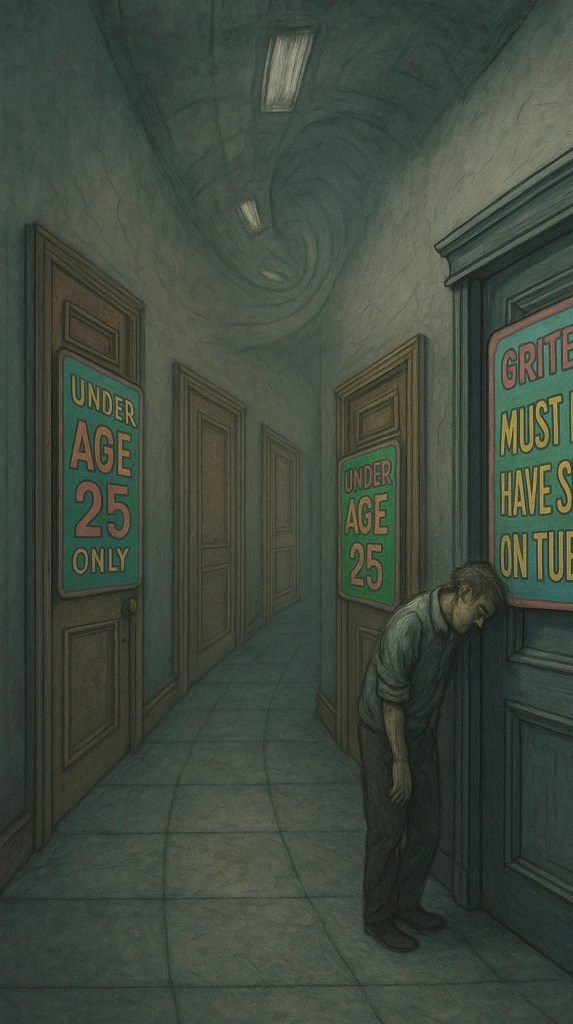
With SPMS, the treatment menu shrinks. Some drugs you once relied on get crossed off. Others aren’t even recommended anymore. Clinical trials? Suddenly, you don’t fit the criteria.
And it makes you wonder: who does fit the criteria? Olympic athletes with a touch of MS that clears up after a nap? Because it sure doesn’t seem like they’re looking for people like me.
Meanwhile, the news cycle parades shiny headlines: “Scientists discover potential MS breakthrough!” You want to cheer. You want to believe. And then comes the fine print: “Results apply only to early relapse-remitting patients under age 25 who have never sneezed on a Tuesday.”
So, once again, it’s another party I’m not invited to.

The Weight of Waiting
Hope doesn’t die with SPMS, but it turns into a scarce resource. You learn not to get too excited about bold announcements, because nine times out of ten, SPMS patients aren’t even mentioned.
It’s like standing outside a candy shop, watching everyone else sample treats, while the shopkeeper tells you: “Maybe next decade for you.” Eventually, you stop pressing your face to the glass, not because you’ve stopped craving it, but because the cold feels humiliating.
But still, you don’t stop hoping. You just fold it up and keep it in your pocket, careful not to let it break.

Everyday Decisions in Limbo
Treatment limbo isn’t just about medication. It creeps into everyday choices:
• Should I spend money and energy on home modifications now, or keep waiting for the miracle cure the headlines keep promising?
• Do I risk enrolling in a dangerous trial, or protect what little stability I have left? “Possible side effects” sounds scarier when your baseline already feels like a car crash.
• Is it even worth planning five years into the future, or am I just daring fate to laugh in my face?
Living in limbo means constant mental gymnastics. And honestly, I couldn’t land a cartwheel even in middle school.
What Rarely Gets Said
Yes, science is advancing. But here’s the part you rarely see in print: behind every glossy “breakthrough” headline are people like me, waiting and wondering if this one will finally count, or if we’ll be left out again.
That’s the silence of SPMS. Not hopelessness. Not despair. Just hope left hanging in the air, suspended and untethered.
My Closing Thoughts
The hardest part of SPMS isn’t the absence of a cure. It’s the gap between what gets reported and what we actually live.
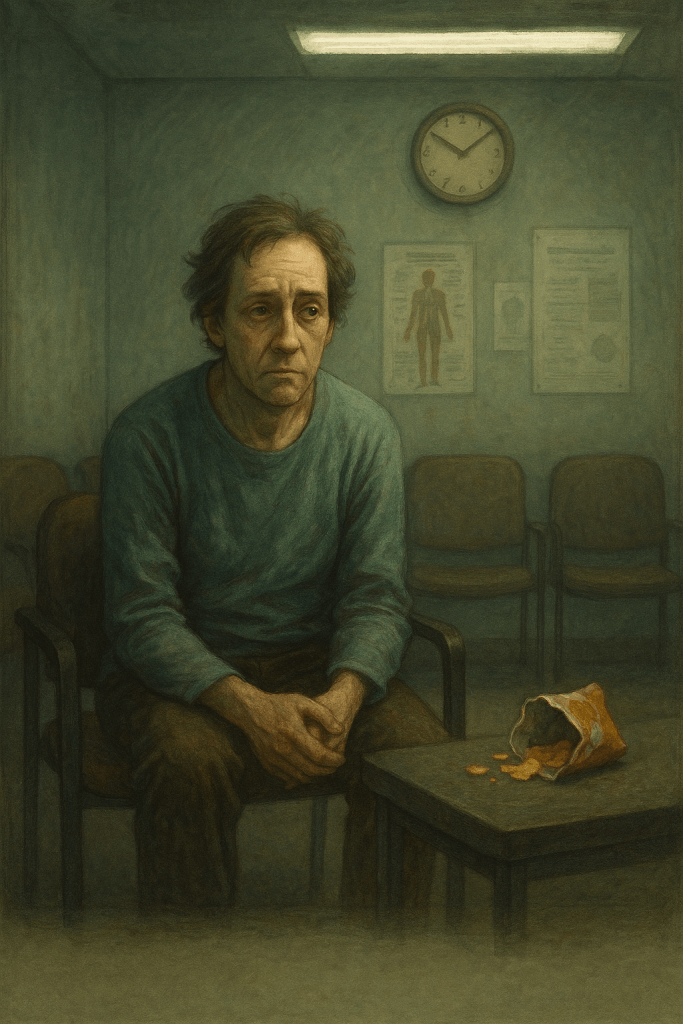
So if you’re here in this waiting room with me, welcome. There are snacks (mostly sarcasm). If you’re not, remember this: every headline about “hope for MS” doesn’t mean hope for everyone with MS.
Until then, I’ll keep rationing my hope, cracking my bad jokes, and shaking my fist at the medical fine print. Because really, if you can’t laugh at the absurdity of being excluded from the cure for the disease you actually have, then what else is left?

 Me Myself, and MS